
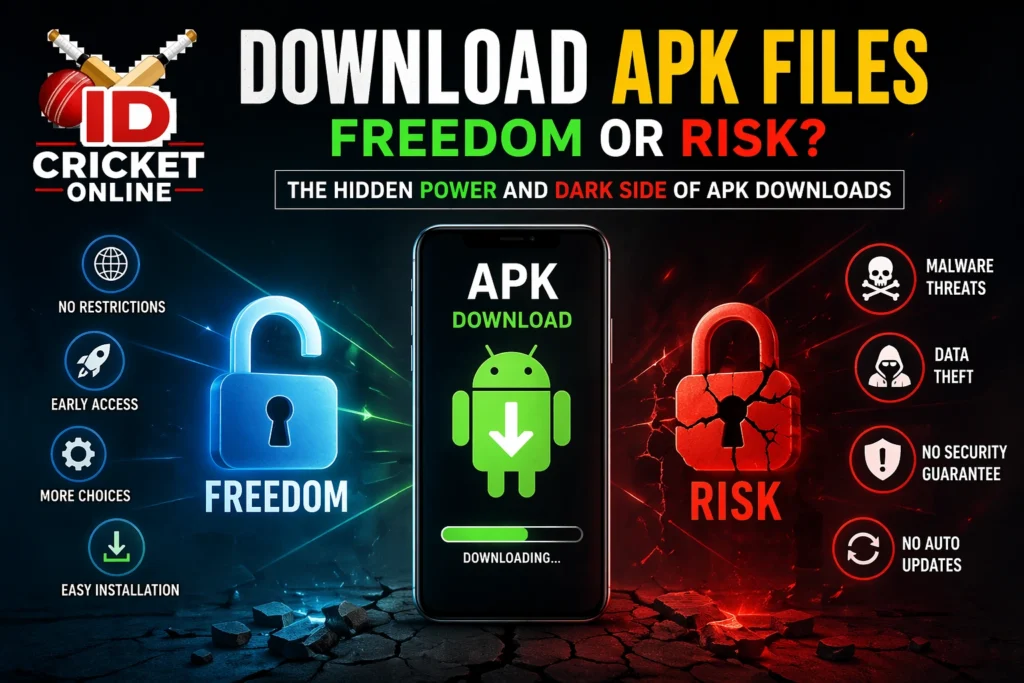
Introduction: Download APK – A Gateway to Freedom or a Hidden Digital Risk?
In the ever-evolving world of mobile technology, the way people access and use applications has changed dramatically. Smartphones are no longer just communication tools—they are powerful devices that support entertainment, productivity, education, and even financial management. At the center of this ecosystem lies the concept of app installation, and increasingly, users are exploring alternatives beyond traditional app stores. This is where the term Download APK begins to gain attention and significance.
For many Android users, downloading apps from official platforms feels limiting. Regional restrictions, delayed updates, and unavailable features often create frustration. As a result, users turn to APK files as a way to break free from these limitations. The ability to manually install applications provides a sense of control—allowing individuals to access apps that might otherwise be restricted or unavailable in their country. It also offers early access to updates and features that haven’t yet been rolled out globally.
However, this freedom comes with a layer of complexity that is often overlooked. While the idea of downloading APK files sounds simple and convenient, it introduces a new set of responsibilities for the user. Unlike official app stores that verify and secure applications, APK downloads shift that responsibility entirely onto the individual. Every file downloaded from a third-party source carries an element of uncertainty, making awareness and caution essential.
The growing popularity of APK downloads is not just about convenience—it reflects a broader shift in user behavior. People today seek faster, unrestricted access to digital tools. They want customization, flexibility, and independence from platform limitations. APK files cater perfectly to this mindset, offering a way to bypass traditional barriers. Whether it’s installing an app not available in a specific region, reverting to an older version, or accessing experimental features, APK downloads provide solutions that official platforms often cannot.
At the same time, this growing trend raises important questions about safety and trust. Not all APK files are created equal, and not all sources are reliable. The lack of regulation in third-party platforms means users must rely on their own judgment when choosing what to download and install. This creates a delicate balance between empowerment and vulnerability.
Understanding this balance is crucial. The concept of Download APK is not inherently good or bad—it depends entirely on how it is used. When approached with knowledge and caution, it can be a powerful tool that enhances the user experience. When used carelessly, it can expose devices to serious risks, including malware, data theft, and privacy breaches.
This article aims to explore both sides of the APK ecosystem in depth. By examining its benefits, risks, and practical use cases, readers will gain a clearer understanding of what it truly means to download APK files in today’s digital landscape.
Understanding APK: What Happens When You Download APK?
To fully grasp the impact of choosing to Download APK, it’s important to understand what an APK file actually is and how it functions within the Android ecosystem. While the term may sound technical, the concept is quite straightforward when broken down.
An APK, or Android Package Kit, is essentially a container file that includes everything an application needs to install and run on an Android device. This includes the app’s code, resources, assets, certificates, and manifest file. In simpler terms, it is the complete package of an app—similar to an .exe file on Windows systems.
When you install an app through the Google Play Store, all of this happens behind the scenes. The store downloads the APK file, verifies it for security, and installs it automatically. However, when you manually Download APK, you are taking control of that entire process.
The Installation Process Explained
When a user downloads an APK from a third-party source, the installation process involves several key steps. First, the device must allow installations from unknown sources. This setting is disabled by default on Android devices to protect users from potentially harmful software.
Once enabled, the Download APK file can be opened manually, triggering the installation process. The system reads the file, checks its structure, and installs the app onto the device. Unlike official stores, there is minimal verification at this stage, which is why the source of the APK becomes critically important.
Why APK Files Exist Outside App Stores
Download APK are not inherently unofficial or illegal. In fact, they are a standard part of Android’s open ecosystem. Developers often share APK files for testing purposes, beta releases, or direct distribution. This flexibility is one of Android’s biggest strengths compared to more restrictive platforms.
However, this openness also creates opportunities for misuse. Because anyone can distribute APK files, not all of them come from trusted or verified sources. This is where the line between convenience and risk begins to blur.
Key Components Inside an APK File
Understanding what’s inside an APK file helps explain why it can be both useful and dangerous. Some of the main components include:
- Manifest File: Defines app permissions and system requirements
- DEX Files: Contain compiled code that runs the app
- Resources: Images, layouts, and user interface elements
- Certificates: Used to verify the app’s authenticity
If any of these components are modified maliciously, the app can behave in unintended—and potentially harmful—ways.
The Role of Permissions
One of the most critical aspects of APK installation is permissions. When you download APK files, you may encounter apps requesting access to contacts, storage, camera, or even sensitive data. While some permissions are necessary for functionality, others may be excessive or suspicious.
Since third-party APKs are not always reviewed, users must carefully evaluate these permission requests. Ignoring them can lead to serious privacy issues.
The Difference Between APK and App Bundles
In recent years, Google introduced a new format called Android App Bundles (AAB). While APKs are still widely used, app bundles are optimized for performance and device compatibility. However, when users manually download apps, APK remains the dominant format.
This ensures that APK downloads will continue to play a significant role in the Android ecosystem for the foreseeable future.
Control vs Responsibility
At its core, choosing to Download APK is about taking control. You decide what to install, when to install it, and where it comes from. But with that control comes responsibility. Without proper awareness, it’s easy to make mistakes that could compromise your device.
Understanding how APK files work is the first step toward using them safely and effectively. It transforms the process from a risky shortcut into a deliberate and informed choice.
Benefits of Download APK: Why Users Prefer to Download APK Files
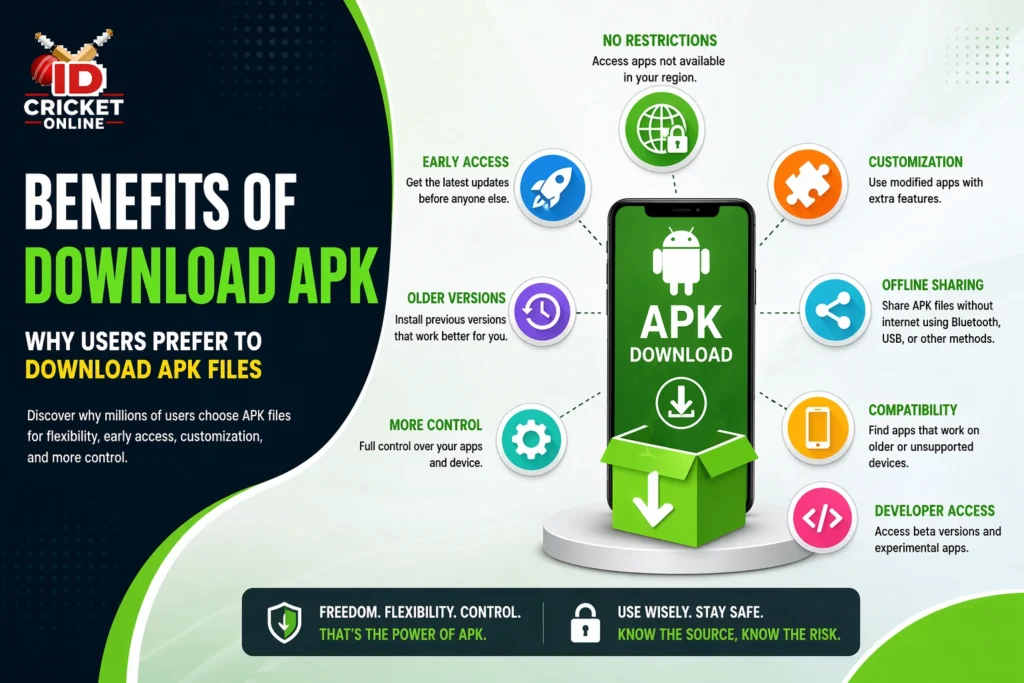
The growing popularity of the term Download APK is not accidental. Millions of Android users across the world actively search for ways to Download APK files instead of relying solely on official app stores. This shift highlights a strong demand for flexibility, control, and unrestricted access. When users choose to Download APK, they are not just installing apps—they are redefining how they interact with their devices.
One of the most significant advantages of choosing to Download APK is the ability to access apps without limitations. Official app stores often impose regional restrictions, meaning certain apps are unavailable in specific countries. When users Download APK, they bypass these restrictions entirely. This makes Download APK an attractive option for users who want global access to applications without waiting for official releases.
Another powerful reason people prefer to Download APK is early access to updates. App developers frequently roll out updates in phases, which means some users have to wait days or even weeks. By choosing to Download APK, users can install the latest version instantly. This makes Download APK especially popular among tech enthusiasts who want to experience new features before everyone else.
The option to Download APK also allows users to install older versions of apps. Sometimes updates introduce bugs, remove useful features, or change the interface in ways users don’t like. In such cases, the ability to Download APK of a previous version becomes extremely valuable. Instead of being forced to accept unwanted changes, users regain control through Download APK.
Customization is another major benefit associated with Download APK. Many users prefer modified versions of apps that offer additional features, fewer ads, or enhanced performance. While this area should be approached carefully, it’s undeniable that the ability to Download APK opens doors to customization that official stores simply don’t provide.
For users with limited internet access, Download APK offers practical advantages. Once a user downloads an APK file, it can be shared offline via Bluetooth, USB, or file-sharing apps. This makes Download APK highly useful in areas with slow or expensive internet connections. Instead of downloading the same app multiple times, users can simply share one APK file.
Another important reason users Download APK is compatibility. Some devices, especially older smartphones, may not support the latest versions of apps available on the Play Store. By choosing to Download APK, users can find versions that work smoothly on their devices. This extends the usability of older phones and enhances user experience.
The concept of independence also plays a key role in why people Download APK. Official app stores act as gatekeepers, controlling which apps are allowed and which are not. When users Download APK, they step outside these restrictions and take full control of their app ecosystem. This sense of freedom is one of the strongest drivers behind the rising trend of Download APK.
Additionally, developers themselves sometimes encourage users to Download APK for beta testing. This allows users to try experimental features and provide feedback before official releases. In such cases, Download APK becomes a collaborative tool between developers and users.
Despite all these advantages, it’s important to remember that the decision to Download APK should always be informed. The benefits are real and powerful, but they must be balanced with awareness and caution. When used responsibly, the ability to Download APK transforms from a simple action into a highly useful and empowering tool.
In conclusion, the increasing demand to Download APK reflects a deeper shift in user behavior. People no longer want to be limited by platform restrictions—they want speed, control, and flexibility. And for many, the easiest way to achieve that is to Download APK files directly.
Risks and Dangers: The Hidden Side of APK Downloads
While the ability to install applications manually offers flexibility and control, it also introduces a range of risks that users often underestimate. The convenience of accessing apps outside official platforms can quickly turn into a serious problem if proper precautions are not taken. Understanding these dangers is essential before choosing this path.
One of the most significant concerns is security. Unlike official app stores, third-party sources do not always verify the authenticity of files. This creates an environment where malicious software can easily be disguised as legitimate applications. A single unsafe installation can expose your device to viruses, spyware, or ransomware. In many cases, users are unaware that anything is wrong until their data is compromised or their device starts behaving abnormally.
Another major issue is data privacy. Many unofficial apps request access to sensitive information such as contacts, messages, storage, and even financial data. Without proper oversight, these permissions can be misused. Some apps may silently collect user data and share it with unknown parties, leading to serious privacy violations.
There is also the problem of app integrity. When apps are downloaded from unofficial sources, there is no guarantee that they remain in their original form. Files can be modified to include hidden code that alters how the app behaves. This means that even if an app looks genuine, it may function differently behind the scenes.
In addition, users miss out on automatic updates. Applications installed manually do not receive regular updates unless the user actively searches for newer versions. This can leave apps outdated and vulnerable to security flaws that have already been fixed in official releases. Over time, this increases the risk of exploitation.
Another overlooked risk is device performance. Some unofficial apps are poorly optimized or intentionally designed to run background processes that consume battery and system resources. This can slow down the device, reduce battery life, and create an overall poor user experience.
Legal concerns also come into play. Downloading modified or premium applications without proper authorization may violate copyright laws. While this might not seem like an immediate issue, it can have consequences depending on local regulations and usage patterns.
Moreover, there is a psychological factor involved. The promise of “free” features or unlocked content can tempt users into making quick decisions without verifying the source. This impulsive behavior often leads to installing unsafe files. What appears to be a shortcut can end up causing more harm than benefit.
Another critical aspect is the lack of accountability. Official platforms have systems in place to remove harmful apps and protect users. In contrast, many third-party sources operate without strict regulations. If something goes wrong, there is often no support system to rely on.
Despite these risks, it’s important to note that not all external installations are dangerous. The key issue is not the method itself, but how it is used. Users who take the time to verify sources, check permissions, and understand what they are installing can reduce many of these risks significantly.
In conclusion, while the flexibility of installing apps manually can be appealing, it comes with responsibilities that should not be ignored. Being aware of potential threats is the first step toward staying safe. The more informed a user is, the better they can balance convenience with security in the digital world.
How to Download APK Safely: Smart Practices Every User Should Follow
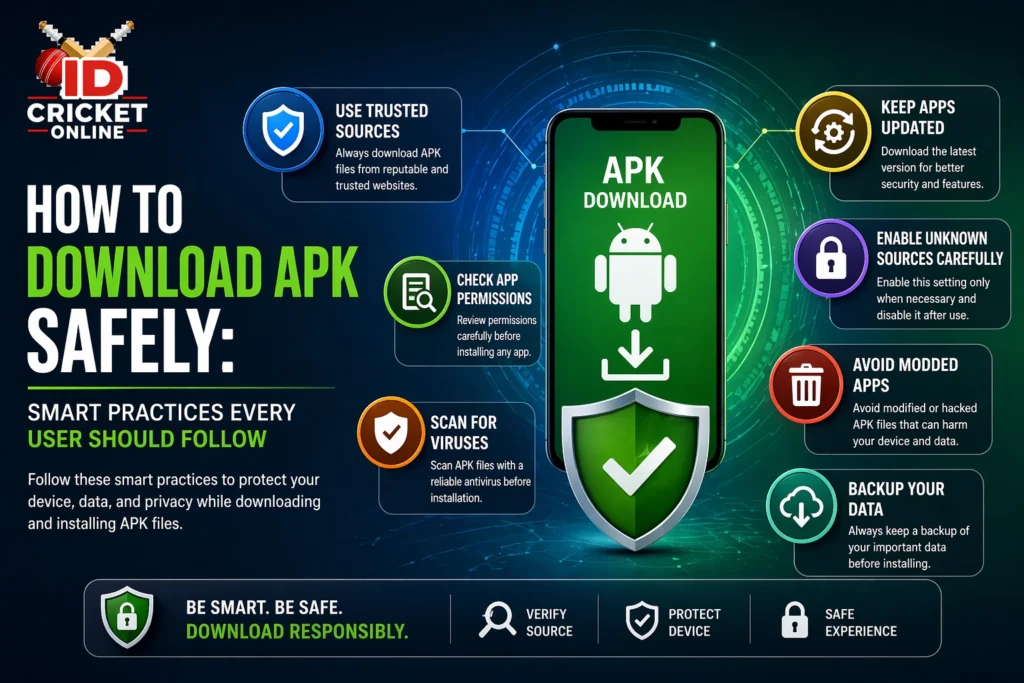
After understanding both the advantages and risks, the next logical step is learning how to approach APK installations safely. While the process itself is simple, doing it the right way requires awareness, discipline, and a few essential precautions. The goal is not to avoid APK files completely, but to use them responsibly without compromising your device or personal data.
The first and most important rule is to choose reliable sources. Not all websites offering APK files can be trusted. Well-known platforms with a good reputation are generally safer because they verify files before making them available. Random or unfamiliar websites, on the other hand, often host modified or harmful files. Taking a few extra minutes to check the credibility of a source can prevent serious problems later.
Another key step is to verify the file before installing it. Many trusted platforms provide cryptographic signatures or file hashes that confirm the APK has not been altered. Matching these details ensures that the file is original and untampered. While this step may seem technical, it adds a strong layer of protection.
Pay close attention to app permissions during installation. Every app requests access to certain features of your device, but not all requests are justified. For example, a simple calculator app should not need access to your contacts or camera. If something feels excessive or unrelated, it’s better to cancel the installation. Being cautious at this stage can prevent privacy breaches.
Using mobile security software is another effective way to stay protected. Antivirus and security apps can scan APK files before installation and detect potential threats. They act as a safety net, especially for users who frequently install apps from external sources.
It’s also important to avoid modified or “cracked” applications. These versions often promise premium features for free, but they come with hidden risks. In many cases, such apps are altered to include malicious code. What seems like a benefit can quickly turn into a serious security issue.
Keeping your device updated plays a crucial role in safety. Regular system updates include security patches that protect against newly discovered vulnerabilities. Even if you install an unsafe file by mistake, an updated system can reduce the potential damage.
Another good habit is to scan user reviews and feedback before downloading any APK file. If multiple users report issues, crashes, or suspicious behavior, it’s a clear warning sign. Real user experiences can provide valuable insights that are not always visible at first glance.
Limiting installations to only what is necessary is equally important. Installing too many apps from unknown sources increases the overall risk. A selective approach ensures better control and reduces exposure to potential threats.
You should also consider using a secondary device or sandbox environment if you frequently test APK files. This isolates potential risks and protects your primary device from harm. While this may not be practical for everyone, it is a smart approach for advanced users.
Finally, always trust your instincts. If something looks suspicious—whether it’s the website, the file size, or the permissions—it’s better to step back. Digital safety often depends on simple decisions made at the right time.
In summary, installing APK files safely is not about complicated tools or advanced knowledge. It’s about developing smart habits and staying alert. With the right approach, users can enjoy the benefits of APK installations while minimizing the risks. The balance between freedom and security lies in how carefully each step is taken.
Conclusion: Download APK – Power, Freedom, and Responsibility Combined
The journey through the world of APK files reveals a clear truth—this is not just a technical option, but a powerful choice that shapes how users interact with their devices. The decision to Download APK goes beyond simply installing an app; it reflects a desire for freedom, flexibility, and control in a digital environment that is often restricted by policies and limitations.
On one hand, the ability to Download APK opens doors that official platforms may keep closed. It allows users to access apps without regional barriers, experience updates ahead of time, and even customize their applications according to personal preferences. For many, this level of control transforms the entire smartphone experience, making it more personalized and efficient.
On the other hand, this same freedom introduces risks that cannot be ignored. Every time you Download APK from an unverified source, you are stepping into uncertain territory. Security threats, privacy concerns, and performance issues are real possibilities. Unlike official app stores, where multiple layers of protection exist, APK installations rely heavily on user awareness and judgment.
This balance between opportunity and risk defines the true nature of APK downloads. It is neither entirely safe nor inherently dangerous—it depends on how it is used. Users who approach it with knowledge, caution, and responsibility can unlock its full potential. Those who act without awareness may face consequences that outweigh the benefits.
The modern user is no longer passive. People want faster access, fewer restrictions, and greater independence. This is exactly why the demand to Download APK continues to grow. It represents a shift toward user empowerment, where individuals take control of their digital experience rather than relying solely on centralized platforms.
However, empowerment without responsibility can quickly become a liability. Understanding sources, verifying files, checking permissions, and staying updated are not optional—they are essential practices. These habits turn a potentially risky process into a safe and beneficial one.
In the end, the choice to Download APK is yours. It can be a gateway to innovation and flexibility, or a path filled with hidden dangers. The difference lies in how informed and careful you are with each step.
If used wisely, APK downloads are not just an alternative—they are a powerful tool that puts control back into the hands of the user.
Frequently Asked Questions (FAQs)
1. What does “Download APK” mean?
Download APK refers to the process of installing Android applications manually using APK files instead of downloading them from official app stores. It allows users to access apps directly through third-party sources.
2. Is it safe to Download APK files?
It can be safe if you download from trusted and verified sources. However, downloading from unknown websites may expose your device to malware, viruses, or data theft. Always check the source before installing.
3. Why do people prefer to Download APK instead of using the Play Store?
Users often choose to Download APK to access apps that are not available in their region, get early updates, install older versions, or use apps on devices without Google Play support.
4. Can I update apps installed through APK files?
Yes, but updates are not automatic. You will need to manually Download APK of the latest version and install it over the existing app.
5. Is downloading APK files legal?
Downloading APK files is legal in most cases, but downloading modified or paid apps for free without permission may violate copyright laws.
6. How can I safely Download APK files?
To safely Download APK files:
- Use trusted websites
- Check app permissions
- Avoid modified apps
- Use antivirus software
- Keep your device updated
7. What are the risks of downloading APK files?
The main risks include malware infections, data privacy issues, fake apps, lack of updates, and potential legal concerns.
8. Can I install APK files on any Android device?
Yes, most Android devices support APK installation. However, you need to enable “Install from Unknown Sources” in your device settings.
9. Where can I find reliable APK resources?
You can explore trusted platforms and also check helpful resources like onlinecricketid for additional insights and information related to apps and digital platforms.
10. Are there alternatives to APK downloads?
Yes, official app stores remain the safest option. You can also explore platforms like dream11global for secure and verified app experiences and services.