
Introduction: Popular Games and Their Unstoppable Rise in the Online Gaming World
The term “popular games” has become a defining part of modern digital culture. What was once considered a simple form of entertainment has now evolved into a global industry that influences how people connect, compete, and spend their time online. From mobile screens to high-end gaming setups, popular games are everywhere—shaping trends, building communities, and redefining entertainment.
Today, popular games are not just about playing—they are about experiences. Millions of players log in daily to explore virtual worlds, compete in intense matches, and interact with others across the globe. The accessibility of online gaming has made it easier than ever for anyone to become part of this growing phenomenon, regardless of age or location.
However, the rise of popular games is not purely positive. While they offer excitement, creativity, and opportunities, they also raise important questions about addiction, screen time, and mental well-being. The same features that make these games engaging can also make them difficult to step away from.
As the online gaming world continues to expand, understanding the true impact of popular games becomes essential. This article dives into both sides of the story—highlighting the benefits, the risks, and the powerful influence these games have on today’s digital generation.
What Makes Popular Games So Addictive and Engaging?
The success of popular games is not random—it is carefully designed. Every element, from visuals to rewards, is built to capture attention and keep players coming back. In the online gaming world, engagement is everything, and popular games have mastered the formula.
One of the biggest reasons popular games feel so engaging is their instant gratification system. Players receive quick rewards—points, coins, achievements, or level-ups—that create a sense of progress. This constant feedback loop makes the brain associate gaming with satisfaction, encouraging longer play sessions.
Another key factor is competitive gameplay. Many popular games include rankings, leaderboards, and multiplayer battles. The desire to win, improve, and outperform others creates a powerful motivation that keeps players deeply invested. Winning feels rewarding, while losing often pushes players to try again, creating a cycle of continuous play.
Social interaction also plays a major role. Popular games are no longer solo experiences. Players can team up with friends, chat in real time, or join global communities. This social connection makes gaming feel more meaningful and less like a passive activity. For many, it becomes a primary way to connect with others.
The use of limited-time events and updates further increases engagement. New challenges, seasonal rewards, and exclusive items create urgency. Players feel the need to log in regularly so they don’t miss out, a concept often driven by the fear of missing out (FOMO).
Additionally, customization and personalization enhance the appeal of popular games. Players can create unique avatars, unlock skins, and build identities within the game. This personal investment makes the experience more immersive and emotionally engaging.
Behind all of this is a strong foundation of game psychology. Developers study player behavior to design systems that maximize retention. Reward loops, progression systems, and challenges are carefully balanced to keep players interested without making the game feel too easy or too difficult.
In the end, popular games succeed because they combine entertainment with psychological triggers. They are not just played—they are experienced, competed in, and lived through. And that is exactly what makes them so hard to put down.
The Positive Side of Popular Games: More Than Just Entertainment
While popular games are often criticized for their addictive nature, they also offer meaningful benefits that go far beyond simple entertainment. When used in moderation, popular games can support learning, creativity, and even personal growth in ways many people overlook.
One of the most immediate benefits is stress relief. After a long day, playing popular games can help people unwind and temporarily escape real-world pressure. Engaging gameplay, immersive environments, and achievable goals create a sense of relaxation and mental refreshment.
Popular games also contribute to cognitive development. Many games require players to think critically, solve complex problems, and make quick decisions. Strategy-based and multiplayer games, in particular, enhance skills such as planning, multitasking, and adaptability. Over time, these abilities can translate into real-life situations.
Another powerful advantage is improved coordination and reflexes. Fast-paced popular games train players to react quickly and accurately. This can sharpen hand-eye coordination and improve focus, especially in competitive gaming environments.
In addition, popular games have opened doors to new career opportunities. The rise of esports, streaming, and content creation has turned gaming into a viable profession. Platforms like YouTube and Twitch have allowed gamers to build audiences, share content, and earn income. What once was a hobby can now become a full-time career for skilled and dedicated players.
Popular games also encourage teamwork and communication. Multiplayer games often require coordination with others to achieve common goals. Players learn how to collaborate, communicate effectively, and adapt to different personalities—skills that are valuable in both personal and professional life.
Another often overlooked benefit is global connection. Popular games bring together players from different countries, cultures, and backgrounds. This creates opportunities for cross-cultural interaction and understanding, making gaming a truly global social platform.
Finally, popular games can inspire creativity and innovation. From designing in-game content to exploring open-world environments, players are encouraged to think creatively. Some even go on to develop their own games, contributing to the ever-growing gaming industry.
In the right balance, popular games are not just a source of fun—they are tools for development, connection, and opportunity in the modern digital world.
The Negative Impact of Popular Games: When Entertainment Becomes a Problem
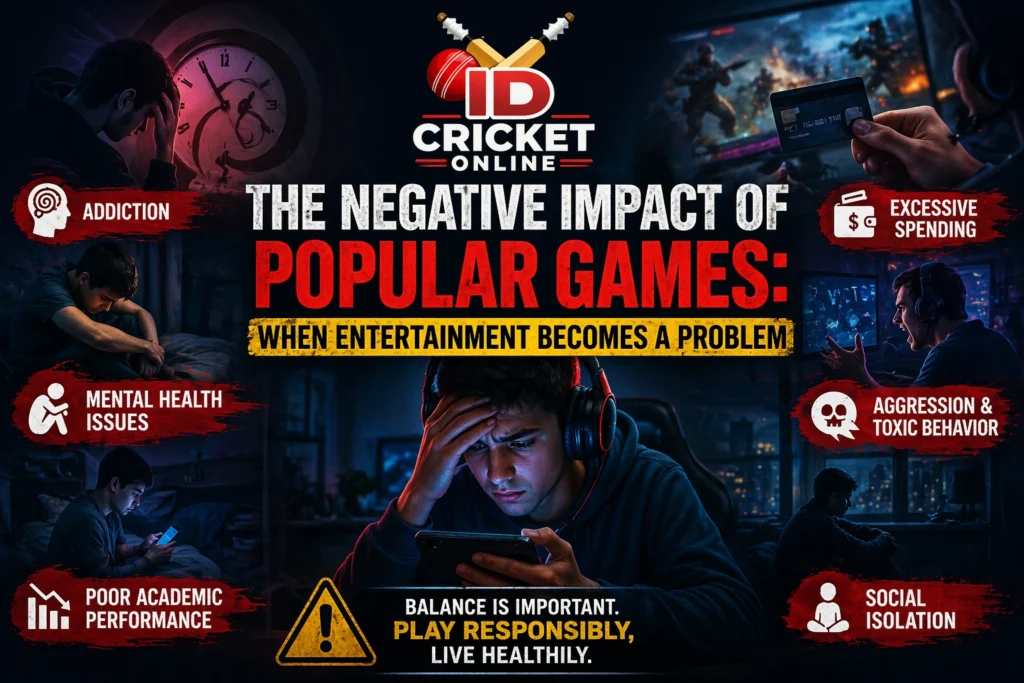
Despite their many benefits, popular games also have a darker side that cannot be ignored. What starts as harmless entertainment can धीरे-धीरे turn into a habit that affects mental, physical, and social well-being. The same features that make popular games engaging can also make them difficult to control.
One of the biggest concerns is gaming addiction. Many popular games are designed to keep players hooked through reward systems, daily challenges, and continuous progression. Over time, players may feel the need to log in constantly, even when it interferes with work, studies, or personal responsibilities. This loss of control is one of the most serious risks in the online gaming world.
Another major issue is mental health impact. Excessive gaming can lead to stress, anxiety, and mood swings. Constant competition, especially in multiplayer environments, can create pressure and frustration. In some cases, players may also experience social isolation, choosing virtual interactions over real-life relationships.
Sleep disruption is another common problem. Many players spend late nights playing popular games, which affects their sleep cycle. Poor sleep can reduce concentration, lower productivity, and negatively impact overall health.
Financial concerns are also rising due to in-game purchases and microtransactions. Popular games often encourage players to spend real money on skins, upgrades, or exclusive items. While individual purchases may seem small, they can quickly add up, especially for younger players who may not fully understand spending habits.
In addition, there is the issue of a sedentary lifestyle. Spending long hours sitting and playing games reduces physical activity, which can lead to health problems such as weight gain, poor posture, and decreased fitness levels.
Another overlooked downside is toxic online behavior. Competitive popular games sometimes expose players to negative environments, including harassment, abusive language, and unhealthy competition. This can affect emotional well-being, particularly among younger audiences.
The negative impact of popular games becomes serious when there is no balance. Gaming itself is not the problem—lack of control is. When players lose track of time, ignore responsibilities, or rely too heavily on gaming for satisfaction, the consequences begin to show.
Understanding these risks is essential. Only by recognizing the darker side of popular games can players make smarter choices and maintain a healthy relationship with the online gaming world.
The Future of Popular Games: Innovation, Immersion, and Uncertain Consequences
The world of popular games is evolving faster than ever, and the future promises experiences that are even more immersive, interactive, and influential. As technology continues to advance, popular games are no longer just a form of entertainment—they are becoming entire digital ecosystems where people play, socialize, work, and even earn a living.
One of the biggest changes shaping the future is artificial intelligence (AI). AI is making popular games smarter and more adaptive. Instead of fixed challenges, games can now adjust difficulty levels, personalize experiences, and respond to player behavior in real time. This creates a more engaging and customized gaming journey for every user.
Another major development is virtual reality (VR) and augmented reality (AR). These technologies are pushing popular games beyond screens and into real-world interaction. Players can step inside virtual environments, making the experience feel more real than ever before. As hardware becomes more affordable, this level of immersion is expected to become mainstream.
The rise of cloud gaming is also transforming accessibility. Platforms like NVIDIA GeForce NOW and Xbox Cloud Gaming allow players to stream popular games without needing expensive devices. This means high-quality gaming experiences will be available to a much larger global audience.
In addition, esports and competitive gaming are growing rapidly. What was once casual play has turned into professional competition with global tournaments, sponsorships, and massive audiences. Popular games are now at the center of a new entertainment industry that rivals traditional sports.
However, this future also brings concerns. As popular games become more immersive and personalized, the risk of deeper addiction increases. When virtual worlds feel as meaningful as real life, stepping away becomes even more difficult. There are also growing questions about data privacy, digital ownership, and the psychological effects of long-term immersion.
Another emerging trend is the concept of digital economies within games. Players can buy, sell, and trade virtual items, sometimes with real-world value. While this creates new opportunities, it also introduces risks related to spending, security, and fairness.
The future of popular games is powerful and full of potential—but it is not without challenges. As technology continues to blur the line between reality and virtual experiences, the responsibility will lie with both developers and players to ensure that gaming remains a positive force.
In the coming years, popular games will not just reflect digital culture—they will shape it.
Conclusion: Understanding the Real Impact of Popular Games
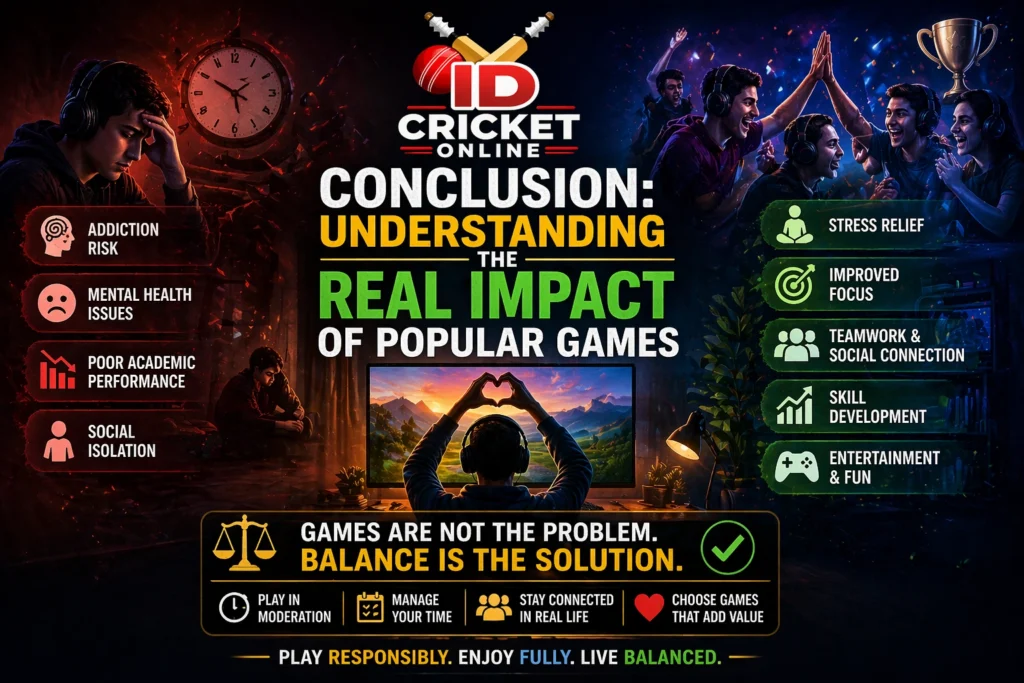
The journey of popular games in the online gaming world shows just how powerful digital entertainment has become. Over time, gaming has moved far beyond simple fun and turned into a global experience that influences how people think, connect, and spend their time. Whether played on a mobile device or a high-end system, these games now play a noticeable role in everyday life.
One important thing to understand is that popular games are not built on a single idea. They combine technology, creativity, competition, and human psychology. This mix is what makes them appealing to such a wide audience. People from different age groups and backgrounds can find something engaging, whether it is casual gameplay or a more competitive environment.
At the same time, the growing presence of popular games also brings responsibility. Spending too much time in virtual spaces can slowly affect daily routines, productivity, and even personal relationships. This does not happen instantly, but over time, small habits can turn into patterns. That is why awareness is important. Knowing when to play and when to step away makes a real difference.
It is also worth noting that not all gaming experiences are the same. Some players use popular games as a way to relax after work, while others treat them as a serious activity or even a profession. The outcome depends on how each person approaches gaming. A balanced approach can turn it into something positive, while an unstructured routine can lead to unwanted effects.
Another aspect that cannot be ignored is how fast the gaming world is evolving. New updates, better graphics, and smarter systems continue to change how popular games are designed and experienced. As these changes happen, players need to adapt as well. Staying informed and making mindful choices becomes even more important in such a fast-moving environment.
In the end, popular games are simply a part of modern digital life. They are neither completely harmful nor entirely beneficial on their own. Their impact depends on usage, habits, and personal control. With the right balance, they can remain an enjoyable and meaningful activity without interfering with real-world priorities.
Understanding this balance is what truly defines a healthy relationship with popular games.
FAQs About Popular Games
1. What are popular games and why do people play them?
Popular games are titles that attract a large and active player base over time. They are played because they offer engaging experiences, whether through competition, storytelling, or social interaction. Many players enjoy them as a way to relax, pass time, or connect with others. The appeal often comes from a mix of accessibility, regular updates, and the ability to play with friends or global communities.
2. Are popular games suitable for all age groups?
Popular games can be suitable for different age groups, but it depends on the type of game and its content. Some games are designed for casual and family-friendly use, while others may include competitive or intense elements that are better suited for mature players. It is always a good idea to check game ratings and understand the nature of gameplay before spending time on it.
3. How much time should I spend playing popular games?
There is no fixed rule, but moderation is important. Playing for a limited time each day helps maintain a healthy balance between gaming and daily responsibilities. Long and continuous sessions can lead to fatigue and reduced productivity, so taking breaks and setting limits is a practical approach.
4. Can popular games be used to earn money?
In some cases, yes. Certain platforms and competitive environments allow players to earn through skill-based participation. For example, fantasy sports platforms like Dream11 are widely known, and users can also explore external resources such as dream11global to learn more about such opportunities. However, it is important to approach these options carefully and avoid unrealistic expectations.
5. Are there safe platforms to explore gaming-related services?
There are many websites that provide access to gaming-related services and information. For instance, you can visit onlinecricketidme to explore structured options related to online gaming activities. While using any platform, users should remain cautious, verify details, and ensure they are making informed decisions.
6. Do popular games affect health or lifestyle?
They can, depending on usage. Spending too much time on games may affect sleep patterns, physical activity, and daily routines. On the other hand, moderate use is generally manageable and can even help with relaxation. The key is to stay aware of habits and make adjustments when needed.
7. What should beginners keep in mind before starting?
Beginners should start with simple games and gradually explore more options. It is helpful to understand the basic rules, avoid spending unnecessarily, and focus on enjoyment rather than competition. Taking a balanced approach from the beginning can lead to a better overall experience with popular games.
These answers aim to give a clear and practical understanding of popular games while keeping expectations realistic and balanced.